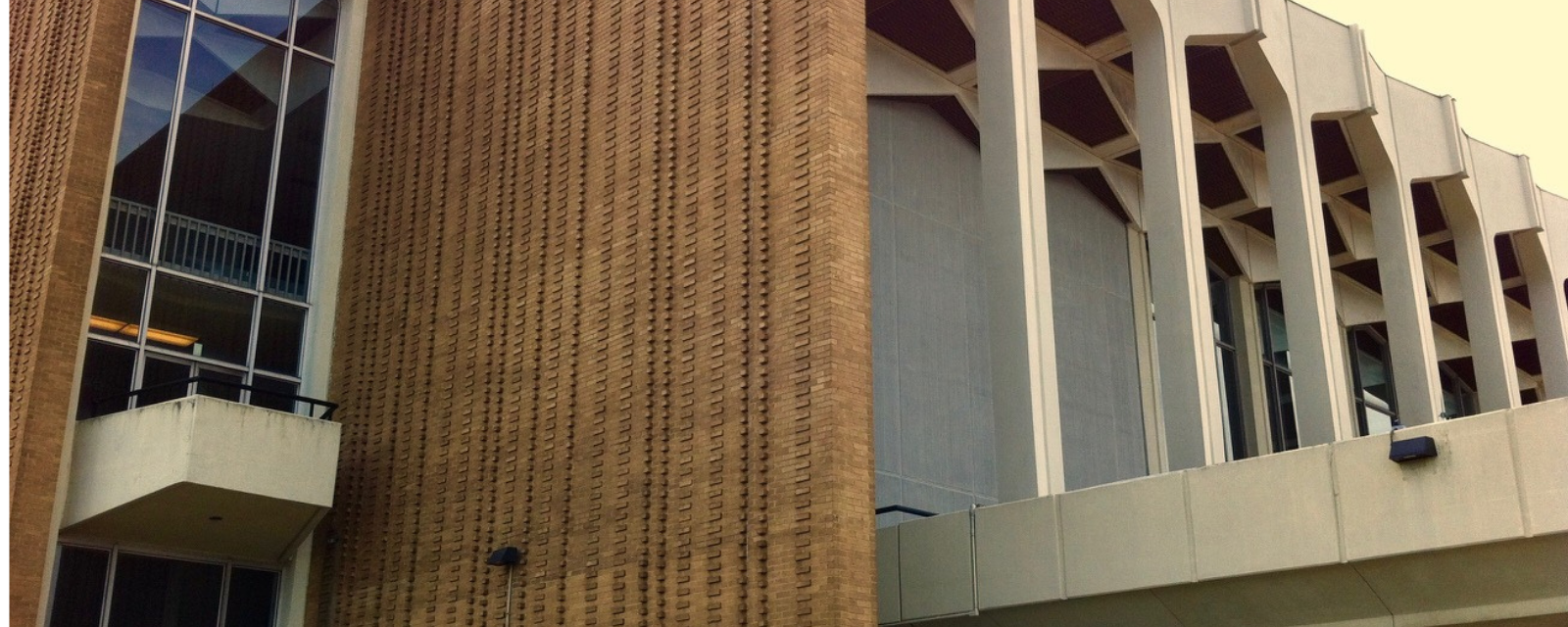
I've been watching the Atlanta Civic Center saga for years, and if you're like me, you've probably driven past that hulking New Formalist building on Piedmont Avenue wondering if anything would ever happen there. Well, friends, we finally have fresh details, updated renderings, and actual construction happening on the ground. After more than a decade of false starts and neighborhood frustration, this 19-acre behemoth is finally coming back to life.
At an architects' roundtable this week hosted by AIA Atlanta, TVS and Sophy Companies pulled back the curtain on what's next for the Boisfeuillet Jones Atlanta Civic Center. The complex, which opened in 1968 and once hosted everyone from the Metropolitan Opera to Steve Harvey's Family Feud tapings, has sat empty since 2014. But December marked a turning point when construction finally began on the first phase: 148 apartments for low-income seniors, with a price tag of $60 million.
What's Actually Being Built
The senior housing building is going up on the northeast corner of the property, across from Renaissance Park. Each one-bedroom unit will clock in at roughly 600 square feet, and the building will include a 1,642-square-foot retail café space plus parking. Atlanta Housing says these apartments should be ready for move-ins by the third quarter of 2027, which feels both impossibly far away and shockingly concrete after years of vague timelines.
The broader vision is ambitious: 1,500 new apartments spanning affordable and market-rate levels, retail and cultural spaces, public plazas, a hotel, offices, and even a grocery store. The iconic Performing Arts Center, the site's most prominent feature, will be preserved and potentially expanded with what TVS principal Sal Lalani describes as "historically sensitive strategies" for adding practice space. A new rendering shows a sleek modern addition wrapping around the existing structure, though Lalani emphasizes this is still part of their "iterative design exploration."
The Money Question
Funding this kind of transformation requires what the project team calls a "layered financial and construction package." Translation: they're stacking rental assistance, low-income tax credits, soft funding, and grants to make the numbers work. Atlanta Housing is partnering with The Michaels Organization, Sophy Capital, and Republic Properties Corporation on the development side, while SOM and Goode Van Slyke Architecture are leading the master plan.
The first phase aims to create what AIA Atlanta describes as a "high-density, mixed-income anchor" where Old Fourth Ward meets downtown. This isn't just about filling vacant land; it's about stitching together two neighborhoods that have long felt disconnected. Similar mixed-use transformations are happening across Atlanta, from South Downtown's Terminal District redevelopment to projects reshaping the city's approach to equitable development and community investment.
Why This Matters for Old Fourth Ward
For nearby residents who've watched this property languish for over a decade, seeing actual construction equipment on-site represents vindication. The Civic Center property spans a massive footprint in a neighborhood that's been rapidly transforming. Having 148 affordable senior units come online in 2027 addresses a critical need, though I wish we had firmer timelines for the remaining phases.
The location is prime: walkable to downtown, adjacent to the eastern edge of the neighborhood's core, and positioned to become a genuine mixed-use hub. If executed well, this could rival the density and vibrancy you'd find along the Eastside BeltLine corridor.
After covering Atlanta development for years, I've learned to temper my excitement until I see vertical construction. But this time feels different. We have shovels in the ground, a $60 million senior housing building under construction, and detailed renderings from credible architecture firms. My biggest concern is the lack of timelines beyond phase one. Atlanta Housing needs to commit to concrete dates for the remaining 1,352 apartments and the performing arts expansion. Still, I'm cautiously optimistic that the Civic Center is finally getting the second act it deserves, and Old Fourth Ward will have a legitimate mixed-use anchor on its western edge.


